SIGNWRITING
Every fascia by hand
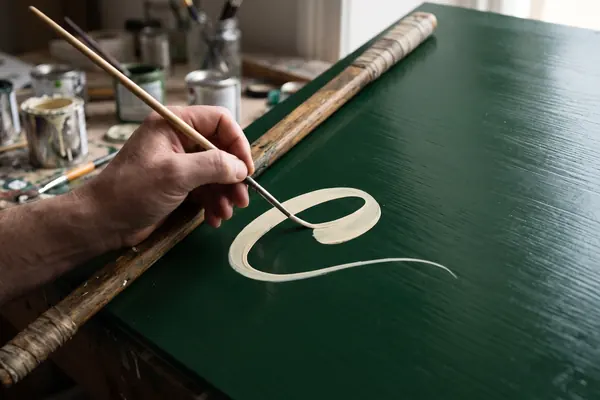
Heritage Crafts says that by the start of the Victorian era each shop fascia was hand-painted, and signwriters were in high demand.
Walk the timeline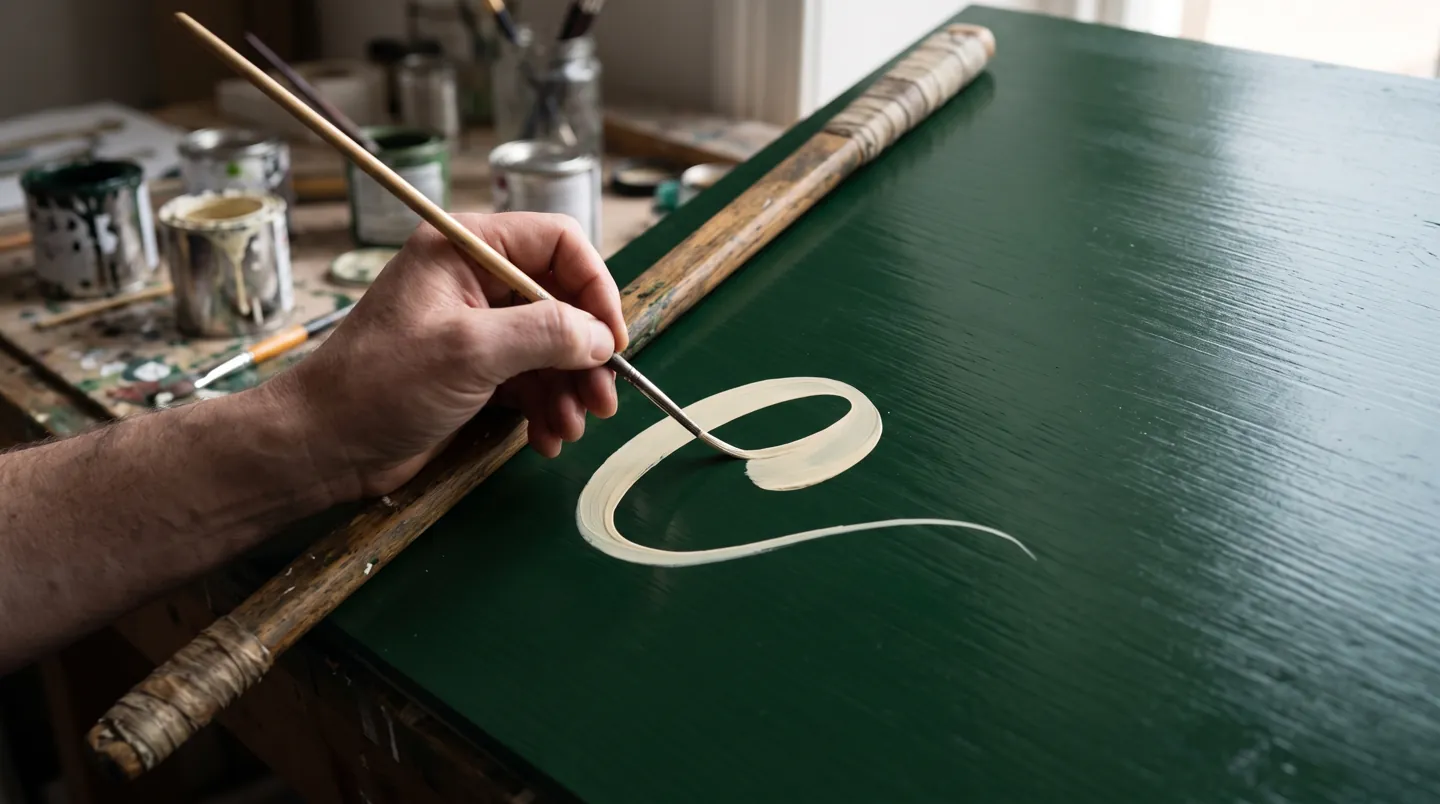
 fatdoodle
A HERITAGE CRAFT, EXPLAINED
BY HAND about 300 signwriters
A bold painted stroke is fat where the brush presses and thin where it lifts.
That one movement sits behind hand-painted shop fronts, the roses and castles on canal boats and the faded adverts still clinging to old brick walls. This independent guide explains the craft from heritage and museum sources.
Updated
Walk the timelineTHE SHORT ANSWER
Before plastic signs, letters were painted by hand.
Three places you can still see the craft.
SIGNWRITING
Heritage Crafts says that by the start of the Victorian era each shop fascia was hand-painted, and signwriters were in high demand.
Walk the timelineCANAL ART
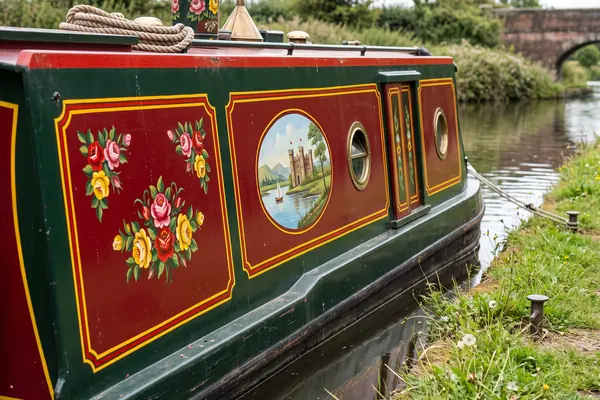
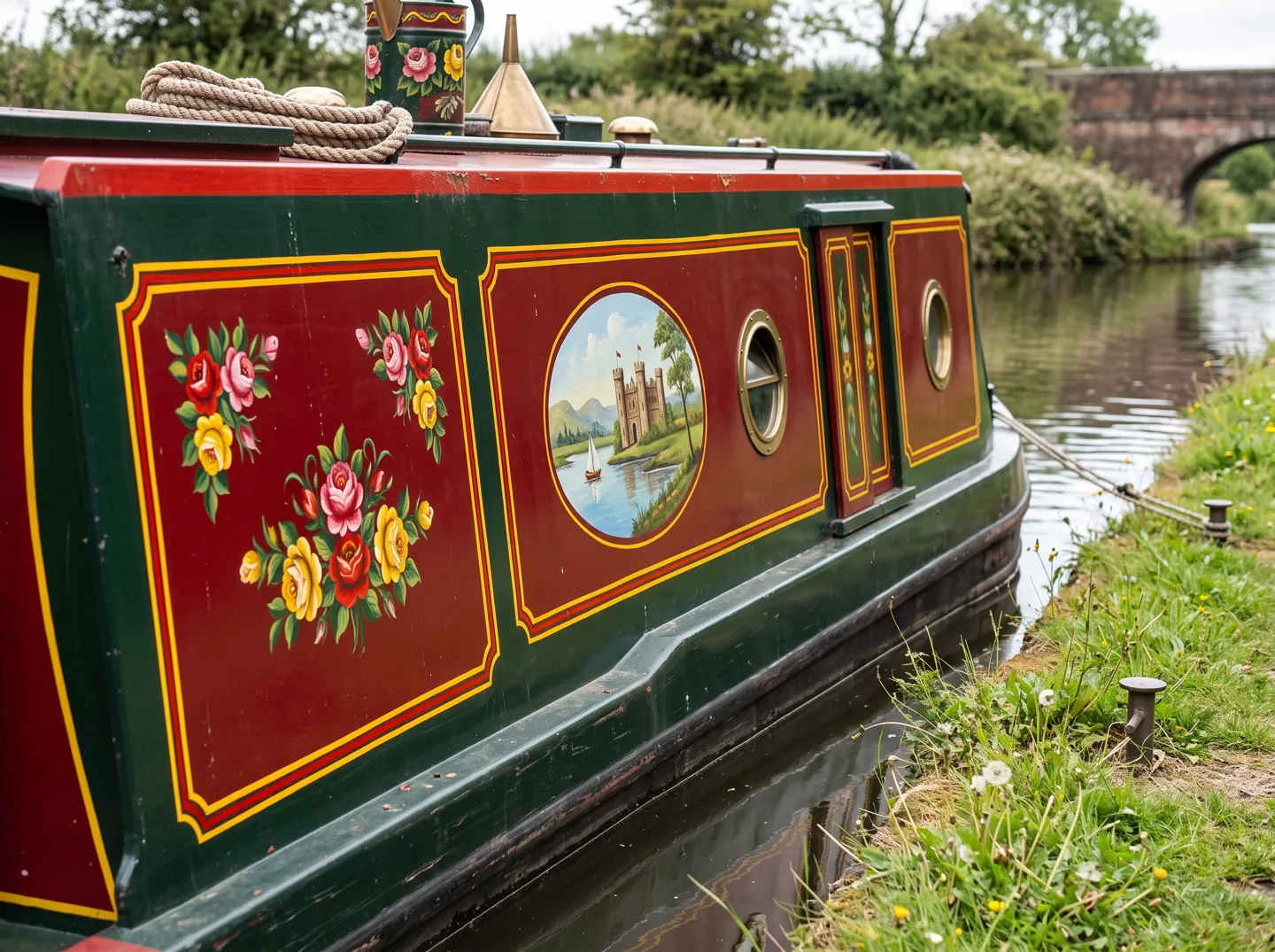
Working narrowboats in the 19th century were covered in bright painted flowers and castles, from the cabin doors to the drinking can and the horse's harness.
How the stroke worksGHOST SIGNS
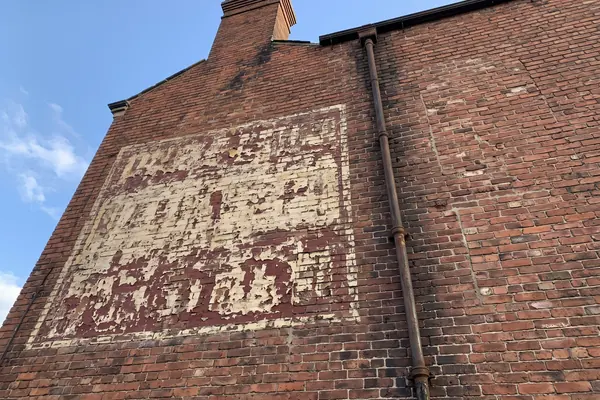
Historic England describes ghost signs as old hand-painted adverts preserved on buildings that have since changed their identity.
Why they lastA QUICK TIMELINE
Pick a period to see what Heritage Crafts says about painted signs at that time. The bar is a simple reading of how much demand there was for hand-painted lettering.
Based on the Heritage Crafts Red List entry for signwriting. The bar is our summary of its history, not a measured figure.
TWO NUMBERS WORTH KNOWING
One figure for signwriting as a whole,
one for its rarest branch.
≈ 300
Signwriters working in the UK
Heritage Crafts says about 300 signwriters can be found across the country, and lists the craft as currently viable rather than endangered.
SIGNWRITERS · HERITAGE CRAFTS
≈ 20
Traditional fairground decorators
Traditional fairground decoration, a sub-craft of signwriting alongside canal boat painting, has about 20 practitioners across the UK.
FAIRGROUND ART · HERITAGE CRAFTS
Heritage Crafts notes there is no official signwriting qualification today: many current signwriters came through City & Guilds courses that closed in the early 2000s, or through apprenticeships.
THE FAT-AND-THIN STROKE
These tips come from the way canal painters describe painting a rose petal for the Canal & River Trust, and from Heritage Crafts on signwriting technique.
Use plenty of paint so each petal or stroke can be made in one smooth movement, without going back over it.
Hold the brush upright and steady your painting wrist with your other hand.
Press the brush down and pull. As you pull, slowly lift it away from the surface, so the mark runs from fat to thin.
Heritage Crafts says there are three main ways to hold the brush (45 degrees, flat or italic) and six key brushstrokes, each with two versions.
GHOST SIGNS
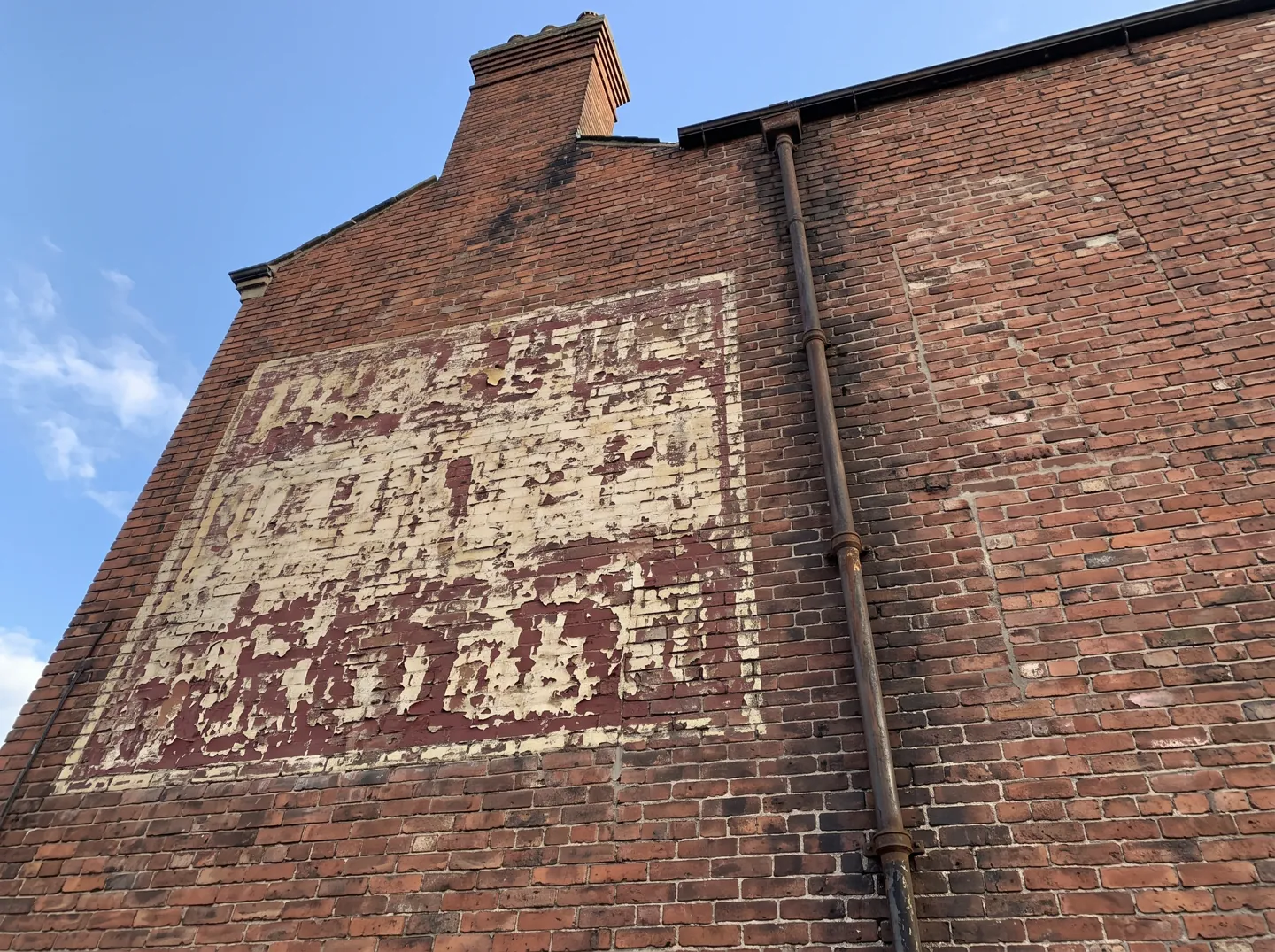
Historic England says ghost signs were first painted with oil-based house paints, some containing lead, which made them stick firmly to brick and stone. Signs were often repainted, so the original layer can still show through today.
In Great Yarmouth, the Time and Tide Museum and the borough council made a walking trail of the town's ghost signs, and Historic England invites people to add their own sightings to its map.
Questions
Heritage Crafts defines it as the design and production of signs by drawing and painting onto various materials. Traditional signwriting is set out and painted by hand, and the slight irregularities of hand work give it character.
Not at the moment. Heritage Crafts lists it as currently viable, with about 300 signwriters across the country, though it declined sharply when computer-cut plastic signs arrived in the 1980s.
The folk art used to decorate working narrowboats in the 19th century. The Canal & River Trust says nobody knows exactly where it came from, but it links it to tiny cabins, boat families' pride and competition from the railways.
Yes. The Canal Museum says boat names, and sometimes the owner's name, were painted on the long sides of the boat in capital letters, often by boat builders rather than trained artists.
Historic England describes ghost signs as old hand-painted advertising signs preserved on buildings that have since changed their identity, often high up, down alleyways or among modern shop signs.
Sources
ABOUT THIS NAME
fatdoodle.com is part of the DoodleSale portfolio. It isn't in an auction right now, but you can ask about leasing it.